
Trust, made
personal.
A personal physical Key, designed to confirm you are there before a payment, sign-in or important decision.

Presence Key
What your
Key does.
A password can be used without you. Presence Key is designed to add a physical check: are you and your Key present for this specific request?
- 01
An action needs you.
A participating service asks for a Presence check before a payment, sign-in or access request goes ahead.
- 02
Present your Key.
You use your Key at an enabled physical checkpoint. Presence checks you and your Key for that specific request.
- 03
The service responds.
The result helps the service decide whether to continue. Its permissions, limits and other safeguards still apply.
In development. Planned for 2027. These are intended experiences, not services available today. Availability depends on partner integration and validation.
What makes it personal
01 Personal by design +
Your Key is set up for you first. The intended check is about the registered person and their Key together—not simply whoever holds the object.
02 Offline by design +
The Key itself is designed not to need wireless pairing or a permanent internet connection. A participating service still needs its own integration.
03 Replaceable by design +
The planned replacement model is built around deactivation and a replacement Key. Availability and terms depend on the customer program.
The possibilities
Life, with
less in the way.
One intended physical gesture, across the relationships that already belong to you.
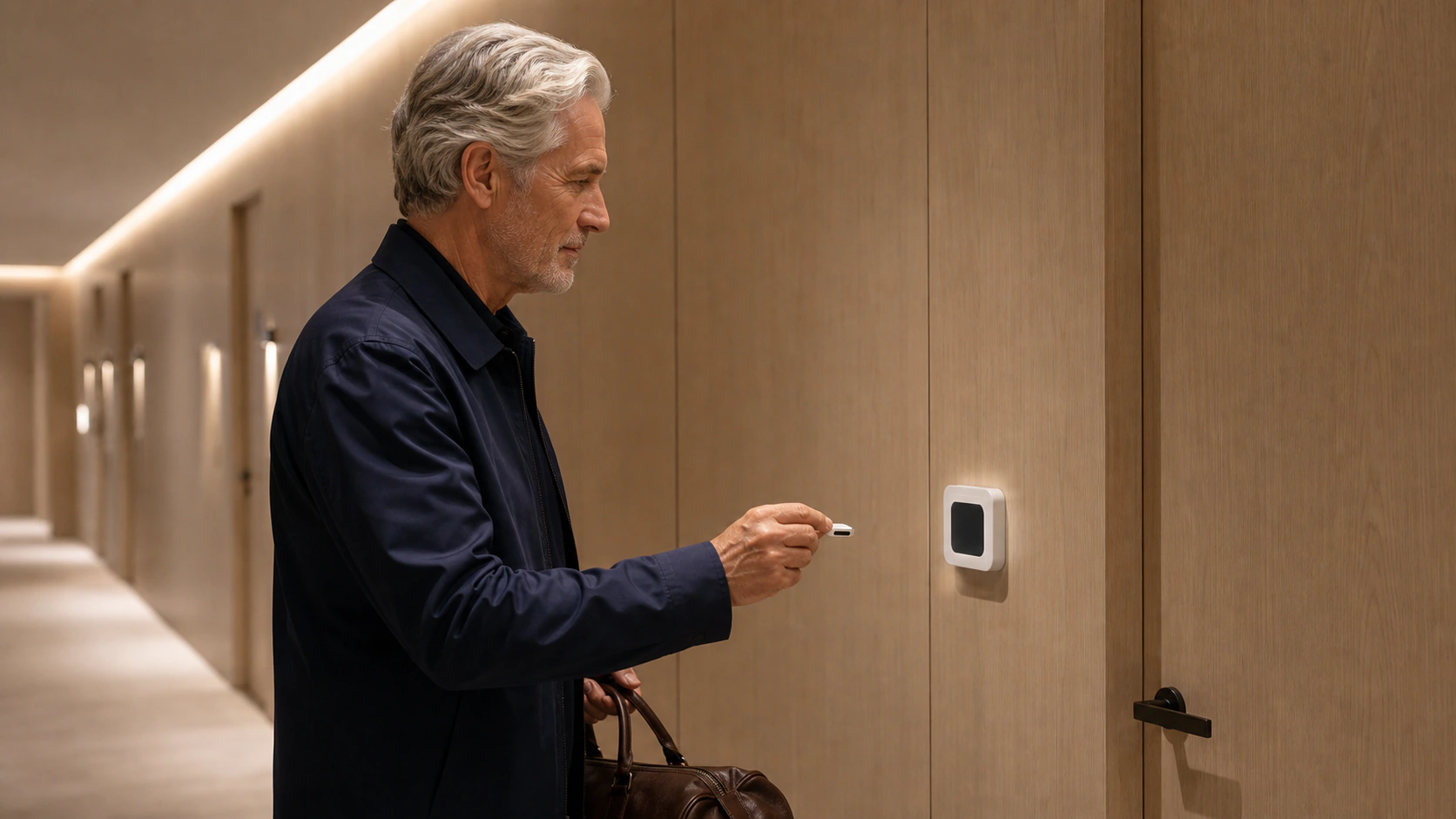
Designed to open the spaces you are allowed to enter.
Future partner experiences are directional and not currently available services.
Less to carry.
More connected.
Payments
Confirm a payment with one physical action that belongs to you.
Explore the possibilities
Cards, keys, passwords, tickets and accounts divide one life into separate relationships. Presence is a vision for bringing them closer together.
Explore the Presence vision80 to 1 is a conceptual future direction, not a count of currently supported services. Availability depends on partners, regulation and deployment.
A question as old as us
Why trust matters.

Trust begins with a connection to the real world.
Meet your KeyIn good company
A little object.
A lot of you.
Personal expression
Find your
expression.
One form. Eight material expressions.
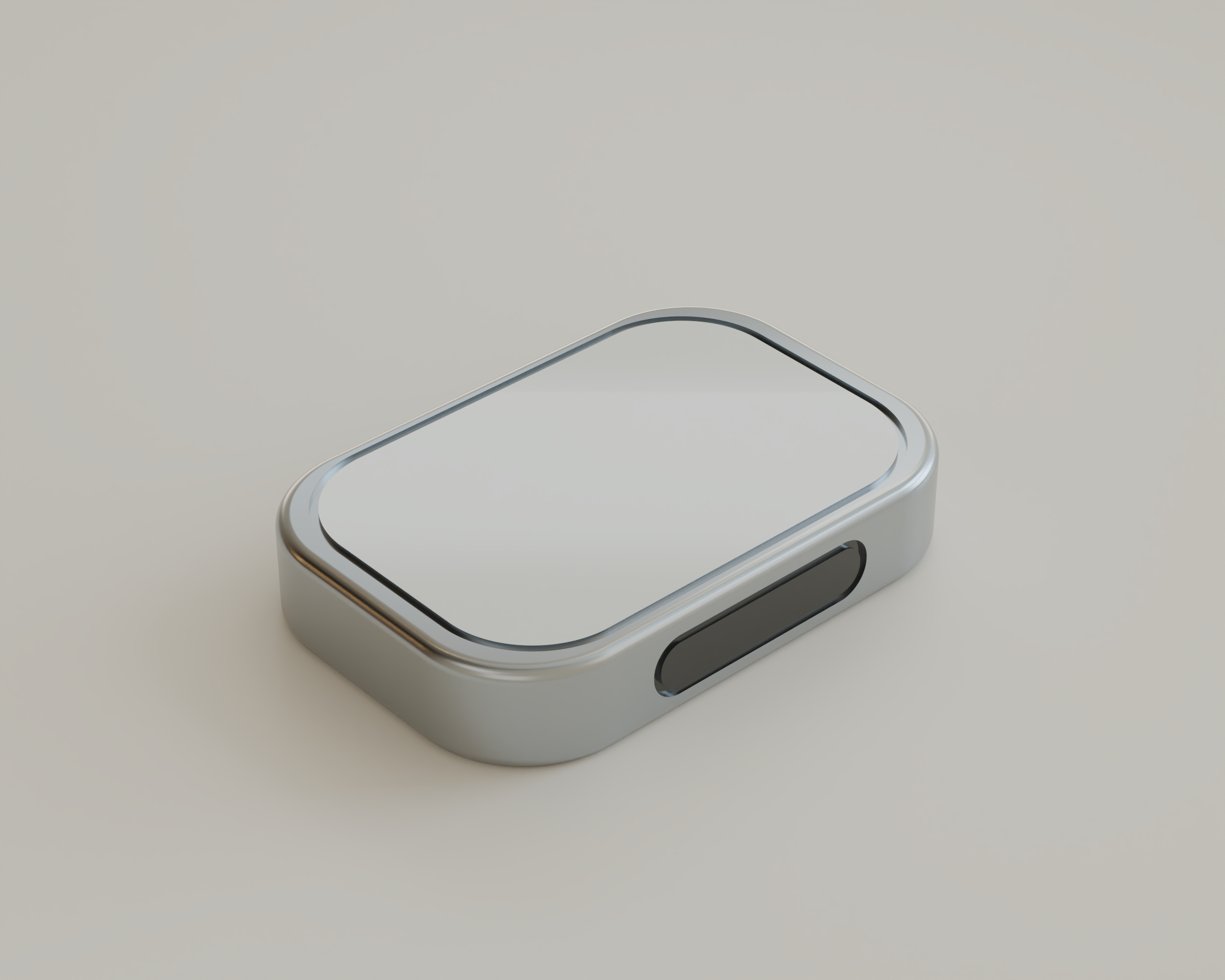
Key.
Brushed 316L steel
Free, non-binding release reservation.
Planned for 2027.
See the scale +
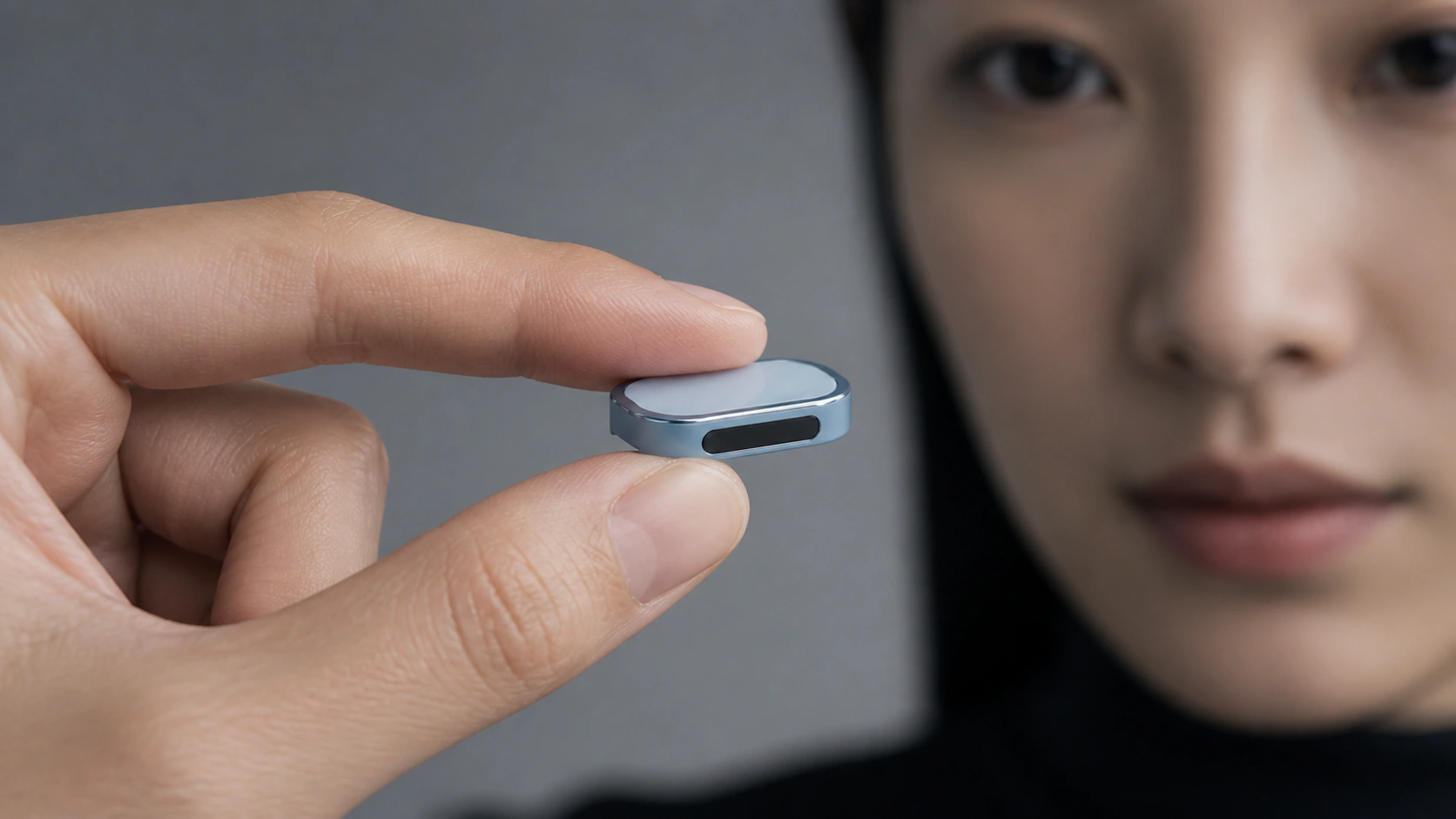
Design dimensions: 3 × 2 cm.
The 4SI family
The personal is
only the beginning.
Presence
Key
A physical check that you are there for a specific action.
For objectsPresence
Layer
A physical relationship to authenticity.
For environmentsPresence
Home
A long-horizon direction for governed spaces.
A developing product architecture. Product scope and maturity differ.
Presence Key / Planned 2027
Your world.
Your Presence.
Free. Non-binding.
Yours to explore.